The Art & AcquisitionsAlthough it may seem like I've been putting it off, this is the part of the Hearst synopsis that I've been excited about writing. Mostly this comes from my enjoyment of the European art that was throughout the houses on the tour that we attended.
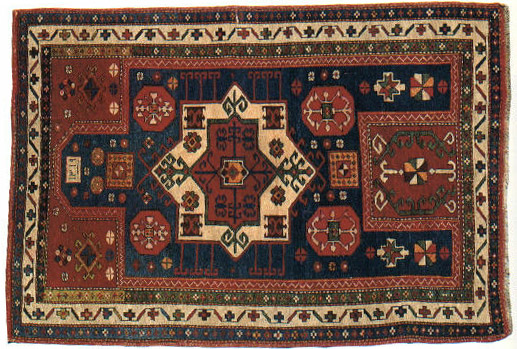
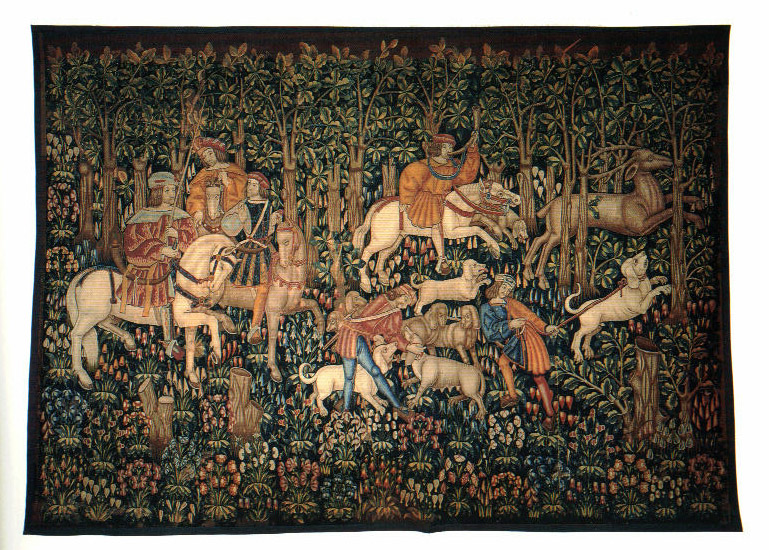
Remember, if you will, that at the age of 9, William Randolph Hearst purchased his first antique tapestry. Tapestries and rugs were his favorites as collectibles; there were 133 oriental carpets at San Simeon which didn't include the tablecloth and other tapestries hanging throughout the houses.
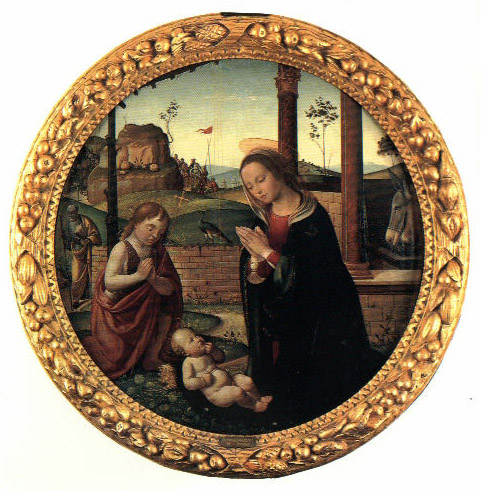
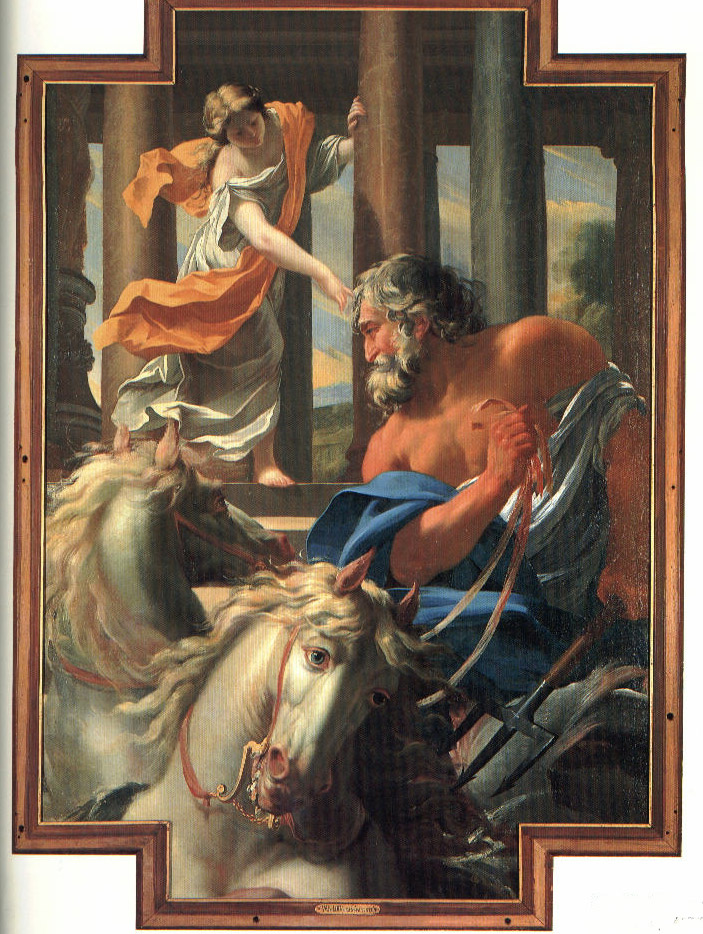
In addition to the tapestries and rugs, there were the paintings. Two examples are the Italian Renaissance tondo (round painting) of the Madonna Adoring the Child with [St.] John [the] Baptist that was painted in the 15th century in Florence and the Vouet painting of the 17th century entitled Neptune and Amphitrite. This painting and another considered its companion (Diana and Endymion) were installed as ceiling panels in the lower south duplex.
Hearst was also a collector of American books and manuscripts owned by individuals such as George Washington, Abraham Lincoln, Ulysses S. Grant among others. Hearst had gathered twenty-eight letters and documents from George Washington's boyhood to his death in 1799, including the eight volume 1776 imprint of Thomas Simmes' Military Guide for Young Officers, with Washington's signature on the flyleaf.
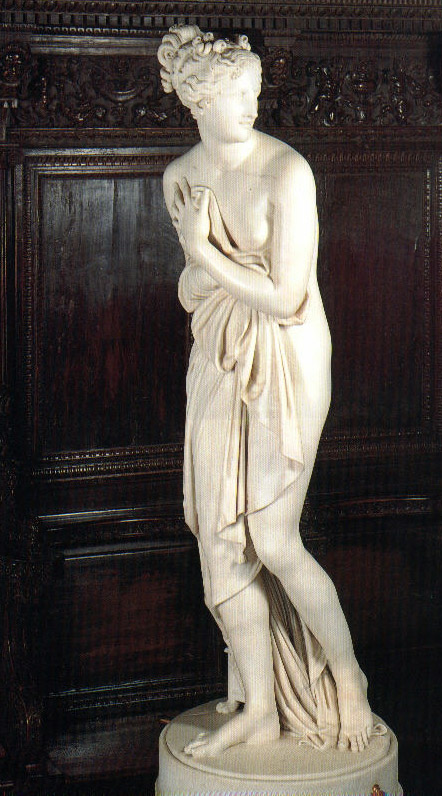
Sculptures were also a major part of the collection at San Simeon. In addition to the sculptures around the outdoor heated and indoor pools, there is a Venus by Antonio Canova and a sculpture of Bacchante by Frederick MacMonnies in the main house.
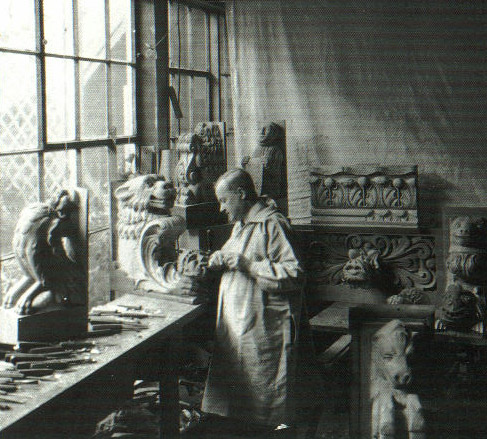
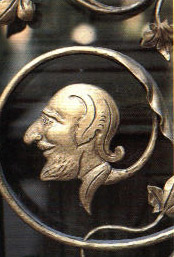
One of the unique features about San Simeon is that if there is scrollwork of some sort, it wasn't necessarily bought and brought onto the property. Julia Morgan, the architect, designed much of the scrollwork and many of the tiles herself, hiring artisans from around the country to make them up to her order.
In the early years of the making of Hearst Castle, William Randolph Hearst would acquire many of the objects in the household because others fell victim to debt and the Great Depression. Eventually, even his money would become more difficult to come by requiring him to sell off different parts of his businesses but, he still managed to thrive with the recovery of the newspaper business in World War II.
Return to Meanderings . . .
Current Musings . . .
Copyright © 2000 Marcia L. Dykstra. All Rights Reserved.